How much auto insurance coverage do you really need?
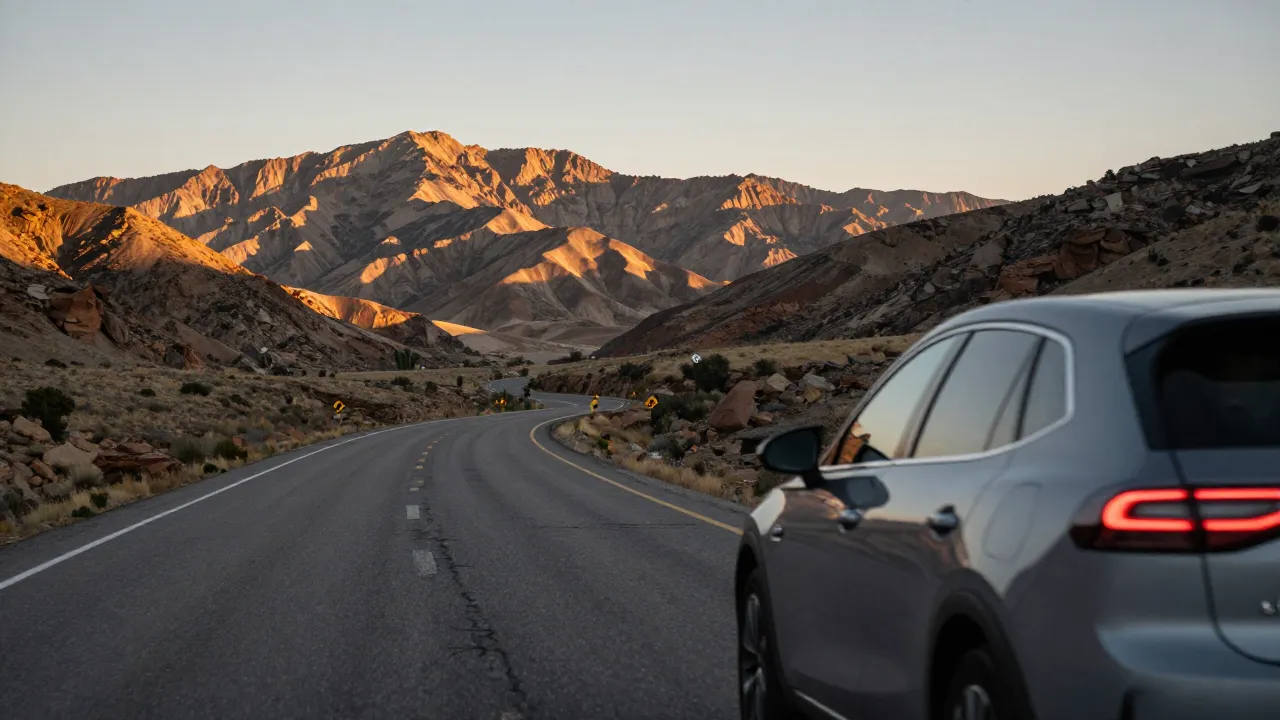
Every state sets a legal minimum for auto insurance, and in most cases that minimum is far less than what an accident would actually cost you. Meeting the law keeps you legal. It does not keep you protected. Here’s how to think about the coverage that does.
What state minimums do (and don’t) cover
State minimums exist to make sure a driver can pay for some of the damage they cause to other people. They almost always focus on liability — the harm you do to another person’s body or property — and they set that bar low.
The trouble is that a serious wreck blows past those numbers quickly. A single trip to the emergency room, a few days in the hospital, or a totaled newer vehicle can add up to far more than a minimum policy will pay. When your coverage runs out, the unpaid balance doesn’t disappear. It follows you.
A few things worth knowing:
- Minimums vary by state. What satisfies the law in one state isn’t identical to the next. If you drive across state lines regularly, it’s worth a conversation.
- Minimums often ignore your own car. Basic liability does nothing to repair your vehicle after an at-fault crash, a deer, hail, or theft.
- Minimums assume the other driver is insured. Out on long rural highways, that’s not always a safe bet.
Liability limits versus your actual assets
Here’s the question that matters most: if you cause a serious accident, what could someone come after? Your savings, your home equity, your vehicles, and even a portion of future wages can all be exposed if a judgment exceeds your coverage.
That’s why we talk about matching liability limits to what you have to protect, not to the state minimum. A good rule of thumb is that your liability coverage should be high enough that a bad day on the road doesn’t threaten everything you’ve built. For many households, that means limits well above the legal floor — and, for those with more to lose, an umbrella policy that stacks extra liability protection on top.
You don’t have to figure this out alone. Part of what an independent agent does is help you take honest stock of what’s at risk and pick limits that fit.
Why higher limits cost less than people expect
Most drivers assume that doubling their liability limits doubles their premium. It rarely works that way.
The reason is that the majority of your premium pays for the likely claims — the fender benders, the cracked windshields, the smaller incidents that happen most often. The higher limits protect against rare, catastrophic events, and insuring against something unlikely is comparatively cheap. Raising your limits substantially might cost only a modest amount more each month.
That’s one of the best values in all of insurance: a lot more protection for a little more money. When we shop your policy across carriers, we can show you exactly what the next tier up would cost so you can decide with real numbers in front of you.
Coverage beyond liability
Liability protects other people. To protect yourself, your passengers, and your vehicle, you’ll want to look at a few more pieces:
- Collision pays to repair or replace your car after a crash, regardless of fault.
- Comprehensive covers the non-crash surprises — deer and other wildlife, hail, fallen limbs, fire, theft, and a cracked windshield.
- Uninsured/underinsured motorist steps in when the other driver has no coverage or not enough. In rural country with long distances between towns, this is not a luxury.
- Medical payments or PIP helps with medical bills for you and your passengers, often no matter who caused the wreck.
How much of each you need depends on your car, your health coverage, and how and where you drive.
Match your coverage to how you actually drive
Two drivers with identical cars can need very different policies. Think about your real week behind the wheel:
- Long rural commutes mean more miles, more time exposed, and more encounters with wildlife at dawn and dusk. That’s a case for solid comprehensive and strong uninsured motorist coverage.
- Winter and ice raise the odds of a slide-off or a collision. Good collision coverage and a deductible you can actually afford matter here.
- Hail country makes comprehensive coverage earn its keep in a single storm.
- Towing distance is real in rural areas. If a breakdown could leave you fifty miles from the nearest shop, roadside and towing coverage is worth pricing out.
A newer or financed vehicle usually calls for collision and comprehensive. An older, paid-off vehicle might not — at some point the coverage costs more than the car is worth, and dropping it can make sense. This is exactly the kind of tradeoff worth talking through rather than guessing at.
Where an independent agent helps
Because Port Bay works for you and not for a single carrier, we can compare dozens of companies to find the mix of limits, deductibles, and discounts that fits your life and budget. We’ll flag the coverage gaps that state minimums leave open, catch discounts you may qualify for, and make sure that if you ever have a claim, there’s a real person on your side.
Talk it through with Port Bay
You shouldn’t have to guess at your limits or hope the minimum is enough. Call Port Bay Insurance at (866) 827-4241 for a free, no-pressure conversation. We’ll walk through what you’re driving, where you’re driving it, and what you’re protecting — then find coverage that actually fits.
This article is general information, not insurance, financial, or legal advice. Coverage details, availability, and regulations vary by state and by your individual situation. Talk with a licensed Port Bay advisor about what’s right for you.
Questions about your coverage?
A licensed local advisor will walk you through your options — no pressure, no cost to compare.
Liability, collision, comprehensive: auto coverage types explained
Auto policies are built from a handful of coverages, each doing a different job. Here's what each one means in plain English.
Read more
What to do after a car accident: a step-by-step guide
A calm, practical walkthrough of what to do after a crash, from the first seconds at the scene to filing your claim with confidence.
Read more
How to lower your auto insurance premium: discounts you might miss
From safe-driver credits to deductible strategy to shopping carriers, here are practical ways to trim your auto premium without cutting protection.
Read more