Uninsured and underinsured motorist coverage: why it matters in the Mountain West

Most drivers think about liability coverage as protection for the harm they might cause. But what happens when someone hits you — and they don’t have insurance, or don’t have enough of it? That’s the gap uninsured and underinsured motorist coverage is built to fill, and in the wide-open Mountain West, it deserves a closer look.
What UM and UIM coverage actually do
These two coverages protect you and your passengers when the at-fault driver can’t cover the damage they caused.
- Uninsured motorist (UM) steps in when the other driver has no insurance at all. This often includes hit-and-run situations, where the responsible driver is never identified.
- Underinsured motorist (UIM) fills the gap when the other driver does have insurance, but their limits aren’t enough to cover the full extent of your injuries or losses.
Depending on the coverage and your state, it can help with medical bills, lost wages, and in some cases damage to your vehicle. In short, it makes sure that someone else’s lack of coverage doesn’t become your financial problem.
Why the Mountain West raises the stakes
Insurance needs are shaped by where you live and drive, and rural country changes the math in a few important ways.
Long distances mean more exposure. Out here, a routine trip can cover a lot of ground on two-lane highways. More miles and more time on the road simply means more chances to encounter a driver who isn’t properly insured.
Rates of uninsured driving vary. The share of drivers on the road without adequate insurance isn’t the same everywhere, and it can be meaningful in some areas. When you can’t count on the other driver being covered, covering yourself becomes the reliable move.
Help can be far away. After a serious crash on a remote stretch of highway, everything is bigger — the response distance, the tow, the trip to a hospital. Those realities can make the aftermath of an accident more costly, which makes having your own backstop all the more valuable.
The hazards are real. Wildlife on the road at dusk, ice and snow in the colder months, sudden hail, and glare on long open highways all raise the odds of a wreck. When one happens and the other driver can’t pay, UM/UIM is what stands between you and the bill.
Who it protects
One of the most reassuring things about this coverage is its reach. It generally protects you and the people riding with you — your family, your passengers — and in many cases applies whether you’re in your own vehicle or, under certain conditions, elsewhere. For a household that spends real time on rural roads, that’s peace of mind that travels with the people you care about.
How much should you carry?
A common and sensible approach is to consider matching your uninsured/underinsured limits to your liability limits. The logic is simple: you’ve decided how much protection is appropriate when you cause harm, so it makes sense to have comparable protection when someone causes harm to you and can’t pay for it.
That said, the right amount depends on your household, your assets, and your budget, and the specifics — including whether certain coverages are required, optional, or offered at all — vary by state. There’s no one-size-fits-all figure, which is exactly why a short conversation beats guessing.
A backstop that’s often more affordable than expected
Because this coverage protects against events that are serious but less frequent, it’s frequently more affordable than drivers assume relative to the protection it provides. For many households, adding or increasing UM/UIM coverage is a modest change to the premium for a meaningful increase in security — the kind of tradeoff that tends to look very wise on the worst day of your year.
Where an independent agent comes in
Sorting out the right UM/UIM limits, understanding how they stack with your other coverages, and knowing what your particular state allows can get confusing fast. As an independent agency, Port Bay can compare how different carriers structure and price this coverage, explain the fine print in plain terms, and help you build a policy that genuinely protects your family on the roads you actually drive. And if you ever need to use it, you’ll have a real person to call rather than a phone tree.
Talk it through with Port Bay
Don’t let someone else’s missing coverage turn into your emergency. Call Port Bay Insurance at (866) 827-4241 for a free, no-pressure conversation about uninsured and underinsured motorist coverage. We’ll help you understand your options and make sure you and your passengers are protected out on the open road.
This article is general information, not insurance, financial, or legal advice. Coverage details, availability, and regulations vary by state and by your individual situation. Talk with a licensed Port Bay advisor about what’s right for you.
Questions about your coverage?
A licensed local advisor will walk you through your options — no pressure, no cost to compare.
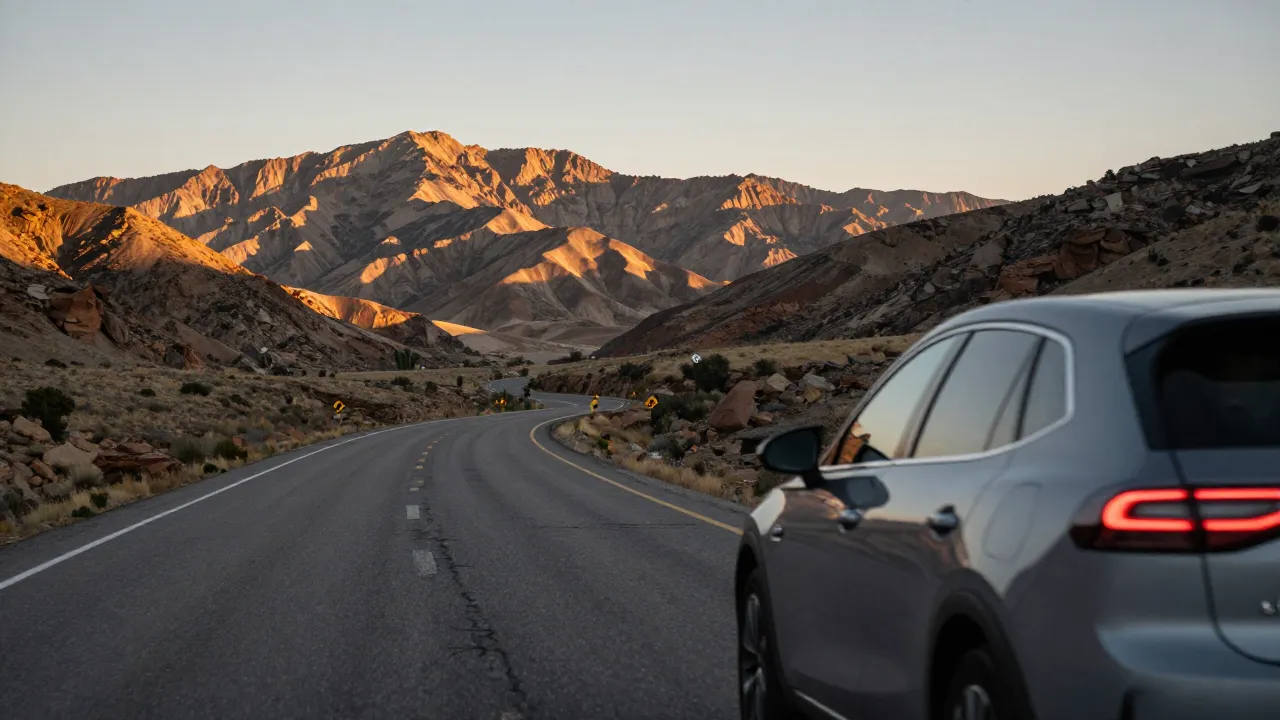
How much auto insurance coverage do you really need?
State minimums are a floor, not a plan. Here's how to think about the auto coverage that actually protects your family and your finances.
Read more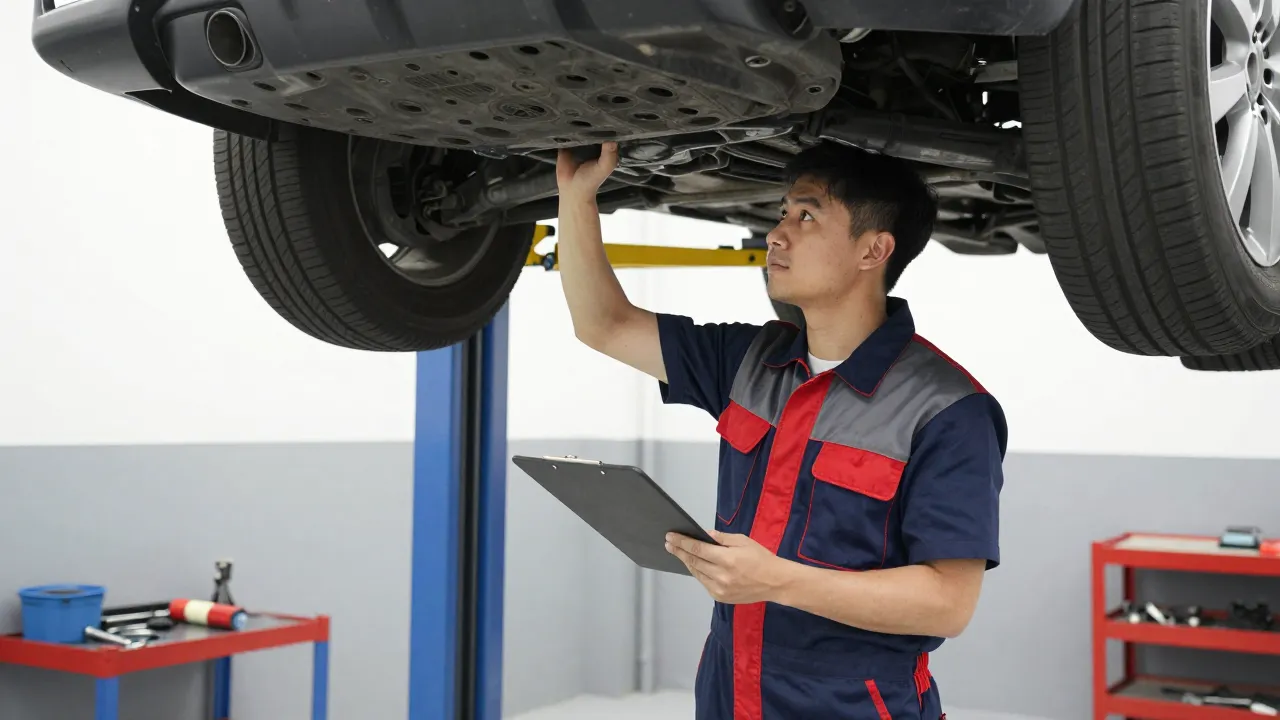
Liability, collision, comprehensive: auto coverage types explained
Auto policies are built from a handful of coverages, each doing a different job. Here's what each one means in plain English.
Read more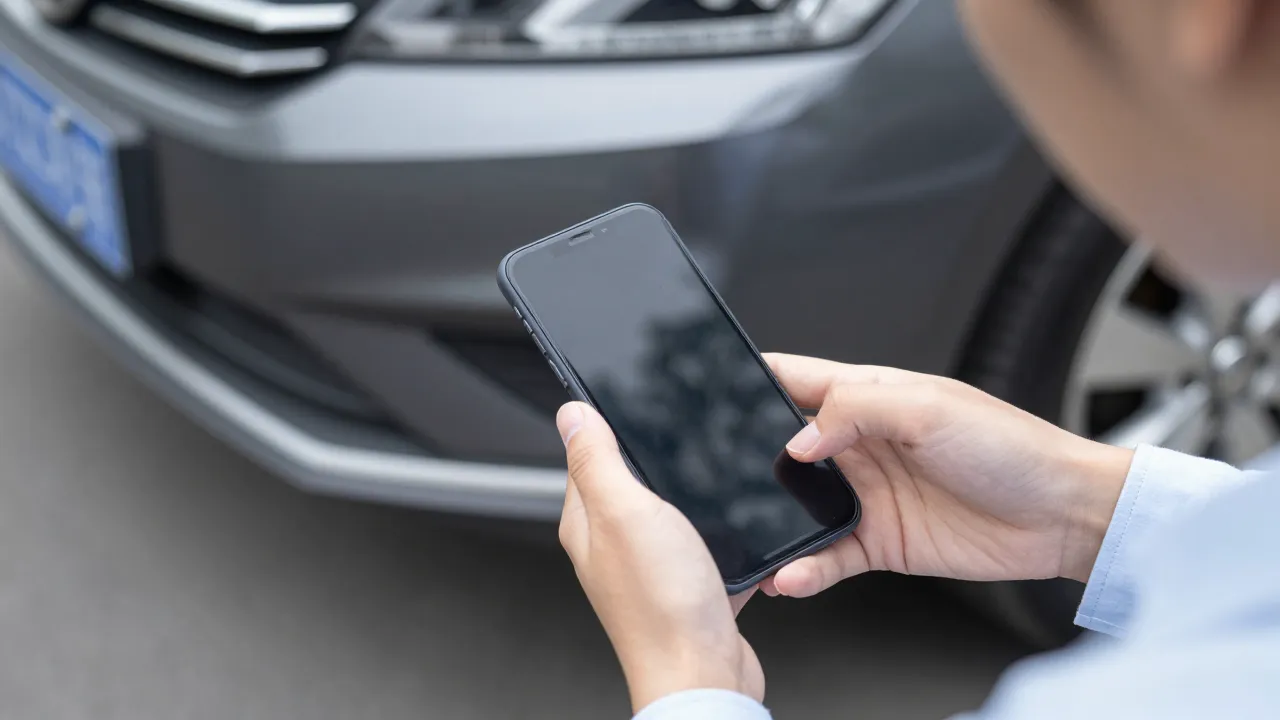
What to do after a car accident: a step-by-step guide
A calm, practical walkthrough of what to do after a crash, from the first seconds at the scene to filing your claim with confidence.
Read more